Craps Bets
Discover the different types of craps bets you can make, from the basic pass line and come bets to more advanced wagers like the horn bet.


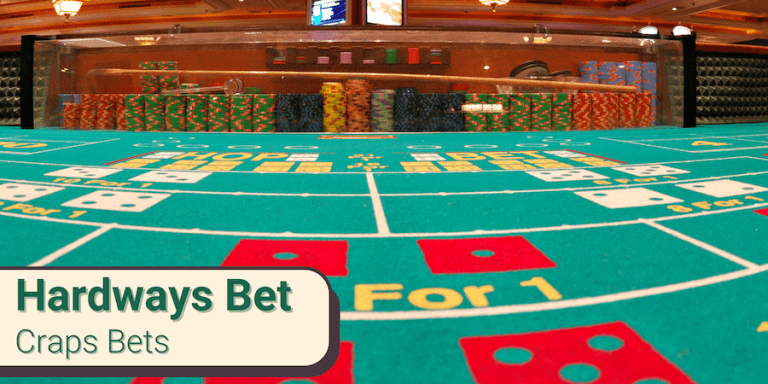
Hardways Bet in Craps: Can You Roll the Pair?
Hardways Bets in Craps: Payouts, Odds, and When to Use Them Picture this: the shooter’s been rolling for ten minutes straight, numbers…
 Jake WilfredMar 24, 2026
Any Seven Bet in Craps: The Definitive Guide
The Any Seven Bet in Craps: Odds, Payouts, and Why It’s the Worst Bet on the Table Here’s a number that should…
Jake WilfredMar 24, 2026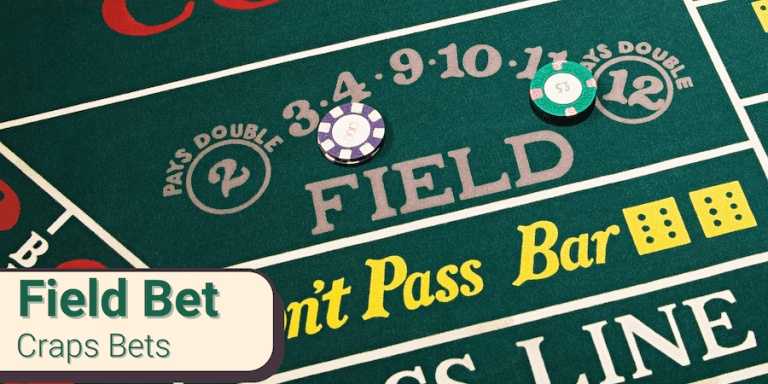
Field Bet in Craps Guide: Master the Easiest Bet
The Field Bet in Craps: Odds, Payouts, and Smart Strategies Count the numbers on the field bet section of any craps table…
Jake WilfredMar 24, 2026
Come Bet in Craps: The Complete Guide
Come Bet in Craps: The Complete Guide The shooter’s been rolling for five minutes. The point is 8. You missed the pass…
Jake WilfredMar 24, 2026
Don’t Pass Line Bet Guide: Betting The Darkside
Don’t Pass Line Bet Guide: Betting The Darkside Every craps table has a quiet player standing at the end of the rail,…
Jake WilfredMar 24, 2026
Free Odds Bet in Craps: The 0% House Edge Bet
The Free Odds Bet in Craps: The Only Casino Bet With a 0% House Edge There’s exactly one bet in every casino…
Jake WilfredMar 24, 2026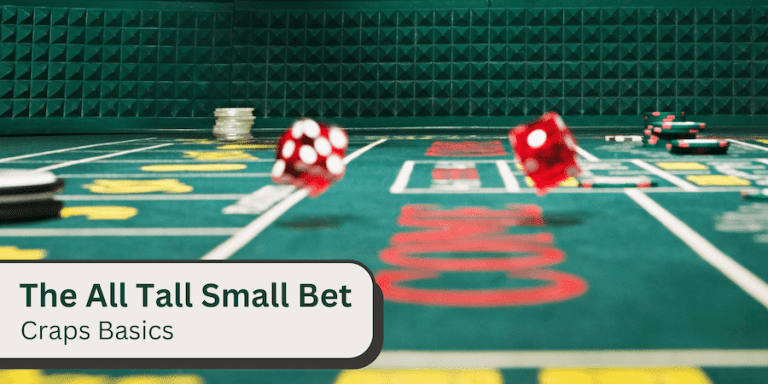
Understanding the All Tall Small Bets in Craps: Are They the Best Side Bets?
The All Tall Small Bet in Craps: Payouts, Odds, and How ATS Works A $1 chip. That’s all it takes to put…
Jake WilfredMar 24, 2026
Hi Lo Bet in Craps: Should You Avoid This “Sucker Bet”?
The Hi-Lo Bet in Craps: Odds, Payout, and Is It Worth a Dollar? Two numbers sit at the extreme ends of the…
Jake WilfredMar 24, 2026
Fire Bet in Craps: The Ultimate Guide for Beginners
The Fire Bet in Craps: Odds, Payouts, and Is the 999:1 Dream Worth Chasing? One in 6,156. Those are the odds of…
Jake WilfredMar 24, 2026Every Craps Bet, Broken Down
A craps table has over 40 possible wagers. Some carry a house edge under 1.5%. Others hand the casino more than 16% of every dollar you put down. The difference between a smart craps player and someone bleeding chips comes down to knowing which bets fall into which camp.
That's what this section covers. Every bet on the layout gets its own guide with the exact odds, true probability, payout structure, and house edge. No vague advice. Just the math and the context you need to decide if a bet belongs in your game.
The Bets You Should Know First
If you're still building your foundation, start with the core wagers. These are the bets most experienced players actually use:
Pass Line Bet is the backbone of craps. A 1.41% house edge, simple mechanics, and the ability to back it with odds. This is where every beginner should start and where most veterans stay.
Don't Pass Line flips the script. You're betting against the shooter, which gives you a slightly lower 1.36% house edge. It's mathematically superior to the pass line, though it won't make you popular at the table.
Free Odds Bet is the only wager in the casino with a 0% house edge. Zero. You place it behind your pass line or don't pass bet after a point is established. The more you bet in odds, the lower your overall edge drops.
Come Bet works exactly like the pass line, but you can place it after the come-out roll. It gives you another number working with the same low house edge. The Don't Come is its dark-side counterpart.
Pass Line + Odds. That's the starting lineup. Once comfortable, add Come bets with odds to get multiple numbers working. These four wagers give you the lowest combined house edge available at any table game.
Place Bets and Buy Bets
Once you understand the fundamentals, most players branch into placed numbers:
Place Bets let you pick specific numbers (4, 5, 6, 8, 9, or 10) without waiting for a come-out roll. The 6 and 8 carry a house edge of just 1.52%, making them the best place bets on the board. The 4 and 10, on the other hand, jump to 6.67%.
Buy Bets are place bets that pay true odds in exchange for a 5% commission. They only make mathematical sense on the 4 and 10, where the buy bet drops the house edge from 6.67% to 4.76%. On every other number, regular place bets are the better deal.
Lay Bets go the opposite direction. You're betting a number won't roll before a 7. They also pay true odds minus a 5% vig, and they're the dark-side version of buy bets.
The One-Roll Bets (Propositions)
The center of the craps table is where the flashy bets live. High payouts, terrible odds, and a house edge that makes your wallet wince. The Proposition Bets guide covers the full group, but here's how the individual wagers break down:
Horn Bet covers 2, 3, 11, and 12 in a single wager. Four chips, one roll. The house edge ranges from 11.11% to 16.67% depending on which number hits.
Yo Eleven pays 15:1 on a single roll of 11. House edge: 11.11%. It sounds exciting until you realize the casino keeps more than a dime of every dollar.
Any Seven is the worst bet on the table. A 16.67% house edge. The guide explains exactly why you should never touch it.
Snake Eyes and Boxcars both pay 30:1 (or 31:1 at some tables) on a specific roll. House edge: 13.89%. Fun to watch. Expensive to play.
C and E Bet, the Whirl/World Bet, and the Hi-Lo are all variations on the same theme: bundled proposition bets that look exciting but carry a steep price.
Hop Bets let you call any specific dice combination on the next roll. They're the most obscure bet on the table and carry some of the highest house edges.
Every proposition bet carries a house edge above 11%. They're designed to be tempting. A single hop bet or horn bet won't ruin your session. But making them a habit will drain your bankroll faster than almost anything else in the casino.
Multi-Roll and Side Bets
Hardways are a middle ground between the core bets and propositions. You're betting that a specific pair (hard 4, 6, 8, or 10) rolls before a 7 or the easy way. House edges run from 9.09% to 11.11%. They stick around for multiple rolls, so they feel more involved than one-roll props.
Field Bet pays on the next roll if 2, 3, 4, 9, 10, 11, or 12 hits. Seven numbers out of eleven possible outcomes. Looks great on paper. The house edge is 5.56% at most tables (2.78% if the casino pays triple on both 2 and 12).
Big 6 and Big 8 pay even money when 6 or 8 rolls. The problem? A place bet on the same numbers pays 7:6 instead of 1:1. The Big 6/8 carries a 9.09% house edge versus 1.52% for the place bet. Same numbers, vastly different value.
Fire Bet and All Tall Small are side bets with lottery-style payouts. The fire bet can pay up to 999:1 if the shooter hits all six point numbers before sevening out. The odds of that happening? About 1 in 6,156. Treat them as entertainment, not strategy.
Any Craps pays if 2, 3, or 12 rolls. House edge: 11.11%. Some players use it to "protect" their pass line on the come-out. The math says that protection costs more than it saves.
How to Use These Guides
Each bet guide gives you everything in the same structure: how the bet works, what it pays, the true odds, the house edge, and a clear take on when (if ever) the bet makes sense to place. No sugarcoating.
If you want the quick ranking, the Best Craps Bets guide sorts every wager from best to worst. For the full payout table, the Craps Odds and Payout Chart has every number in one place.
When you're ready to combine bets into systems, head to the Craps Strategies section. And the Free Craps Simulator is the best way to test any bet before putting real money on the felt.
The pass line with maximum free odds. The pass line alone has a 1.41% house edge. The odds bet behind it has a 0% edge. Combined, you're looking at the lowest house advantage available at any table game. The don't pass with odds is technically even better at 1.36%, but most players prefer betting with the shooter.
The Any Seven bet at 16.67% house edge. For every $100 wagered over time, the casino keeps roughly $16.67. The Big 6 and Big 8 (9.09%) are also bad, since you can bet the exact same numbers as a place bet for a fraction of the house edge.
From a pure math standpoint, no. Every prop bet carries a house edge above 11%. But craps is also entertainment. Throwing a dollar on the yo or a hardway during a hot roll won't wreck your session. The key is keeping props to a tiny fraction of your action, not making them the core of your betting.
Both let you bet on specific numbers, but they pay differently. Place bets pay at slightly reduced odds with no commission. Buy bets pay true odds but charge a 5% commission (vig). Buy bets only make mathematical sense on the 4 and 10. On every other number, place bets give you a lower house edge.
It depends on the table rules. At a standard table (double on 2, double on 12), the field carries a 5.56% house edge. At tables that pay triple on the 12, it drops to 2.78%. Compared to a pass line bet at 1.41%, it's still not optimal. But the field is a single-roll bet, so it works differently than multi-roll wagers. It's fine for occasional use, not as a primary strategy.
The free odds bet (also called the odds bet) is a secondary wager placed behind your pass line, don't pass, come, or don't come bet after a point is established. It pays at true mathematical odds, which means the casino has zero edge on it. It's the single best bet in the building. The only catch: you have to make a pass line or come bet first to access it.