How to Play Craps at Home: Build Your Own Casino Night for Under $265
 Jake Wilfred
Picture this: it’s Saturday night, your friends are coming over, and instead of the usual poker game, you roll out a craps table in the living room. The dice hit the diamond bumper, someone yells “winner winner,” and suddenly your house is the hottest spot in town. That’s what playing craps at home looks like, and setting it up is way easier than you’d think.
This guide covers the full setup, from buying the right gear to assembling a legit DIY craps table, learning the rules, and hosting a game night that people will actually talk about afterward. Whether you go all-in on a proper setup or grab a compact set for under $40, you’ll have everything you need to bring the casino floor to your living room.
- A complete home craps setup costs under $265 and fits on a standard 6-foot foldable table
- The diamond bumper is the most important piece of equipment for fair dice rolls and an authentic feel
- If you’re on a budget, a mini craps compact set ($38.95) gives you the basics for a casual game night
- Stick to pass line and don’t pass bets when teaching new players; save complex wagers for experienced groups
- Street craps is a stripped-down alternative that only requires dice and something to bet with
- Proper bet sizing with chips and a basic understanding of craps rules are all your guests need to have a great time
Everything You Need for Home Craps: The Complete Gear Checklist
You don’t need a $5,000 custom table to play craps at home. A smart shopping list and about $265 gets you a setup that looks and feels surprisingly close to the real thing. Here’s every piece of gear you’ll need, what it costs, and why it matters.
6-Foot Foldable Table ($79.99)
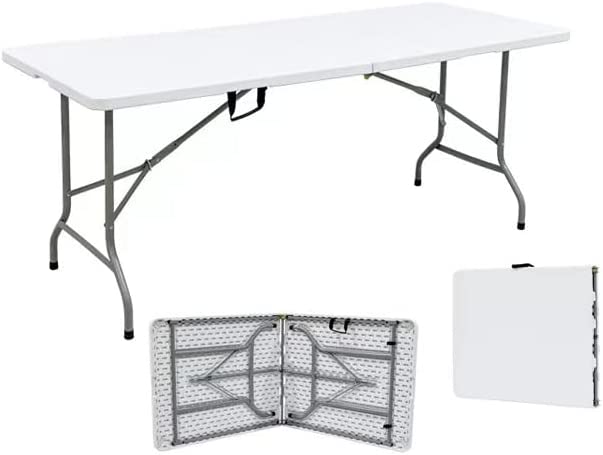
The 6-Foot Foldable Table is your foundation. It’s wide enough for 4-8 players, folds flat for storage, and can travel if you want to move casino night to a friend’s place. A solid foldable table runs about $79.99 on Amazon.
The 6-foot length is the sweet spot. Anything smaller and the layout gets cramped. Anything bigger and you’ll struggle to reach across the table to move chips.
Craps Table Layout ($59.99)
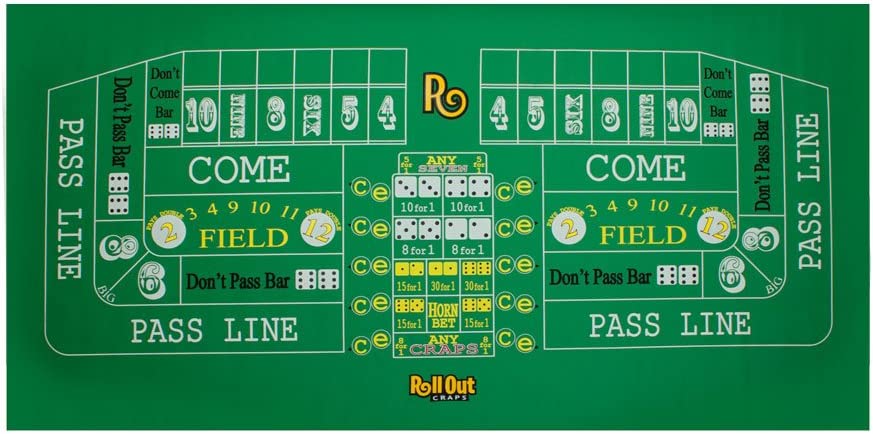
The Craps Table Layout is a foam-backed felt that transforms any flat surface into a proper craps table. It comes with all the standard markings: pass line, don’t pass, come area, field, and the numbered point boxes. Most layouts come in several colors and include a carrying case. At $59.99, it’s worth every penny for the visual impact alone.
Diamond Bumper ($59.99)
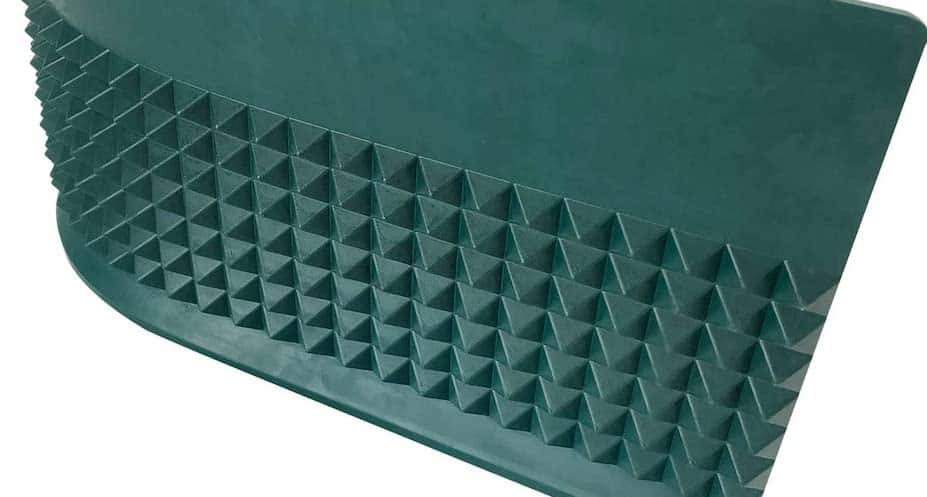
This is the piece that separates a casual dice game from a real craps experience. The Diamond Bumper is a rubber pyramid wall that randomizes dice rolls, just like in a real casino. At $59.99, it’s the single best investment for your home setup.
Why does it matter so much? Because without it, anyone familiar with dice setting and control techniques can influence the outcome. The bumper keeps things fair and makes every roll feel legitimate.
Precision Dice Set ($14.99)
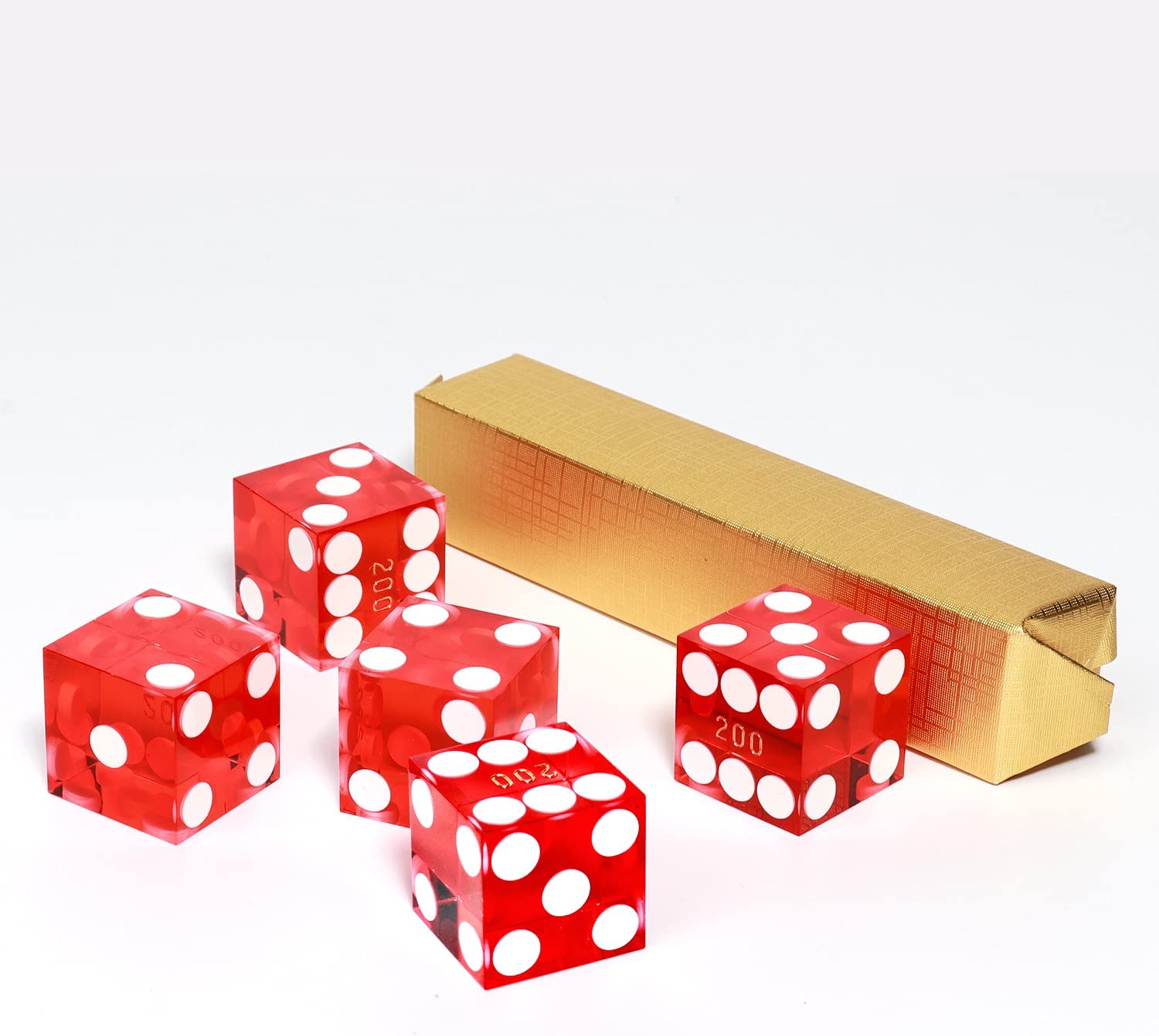
Standard board game dice won’t cut it. A Precision Dice Set gives you casino-grade dice with sharp edges and serialized numbers. They’re balanced, they feel right in your hand, and they come in multiple colors. Just $14.99 for a set.
I run a classic red set for most games. My wife picked up a pink set for her own casino night with friends. Having two sets means you always have a backup.
Dice Tray (Optional, ~$10-15)
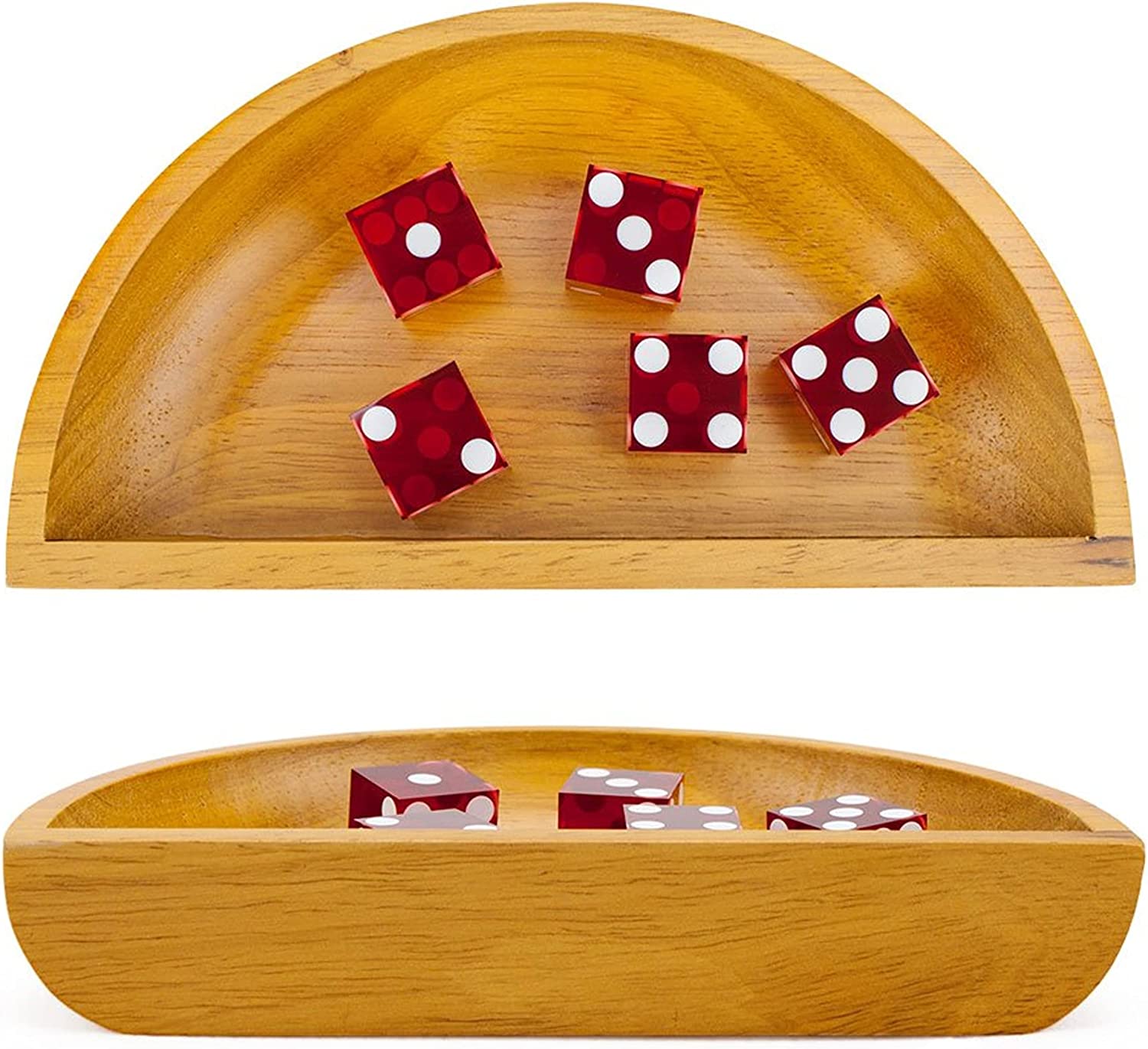
The Dice Tray is a crescent-shaped wooden holder that sits in the dealer area. It catches dice that overshoot and keeps them from rolling off the table onto the floor. Not mandatory, but it saves a lot of “where did the dice go?” moments.
Wooden Table Stick ($19.99)

The Wooden Table Stick is what the stickman uses to push dice and chips across the layout. At $19.99, it adds a layer of authenticity that your guests will love. Plus, whoever plays the dealer gets to feel like they’re running the show.
On/Off Button ($7.99)
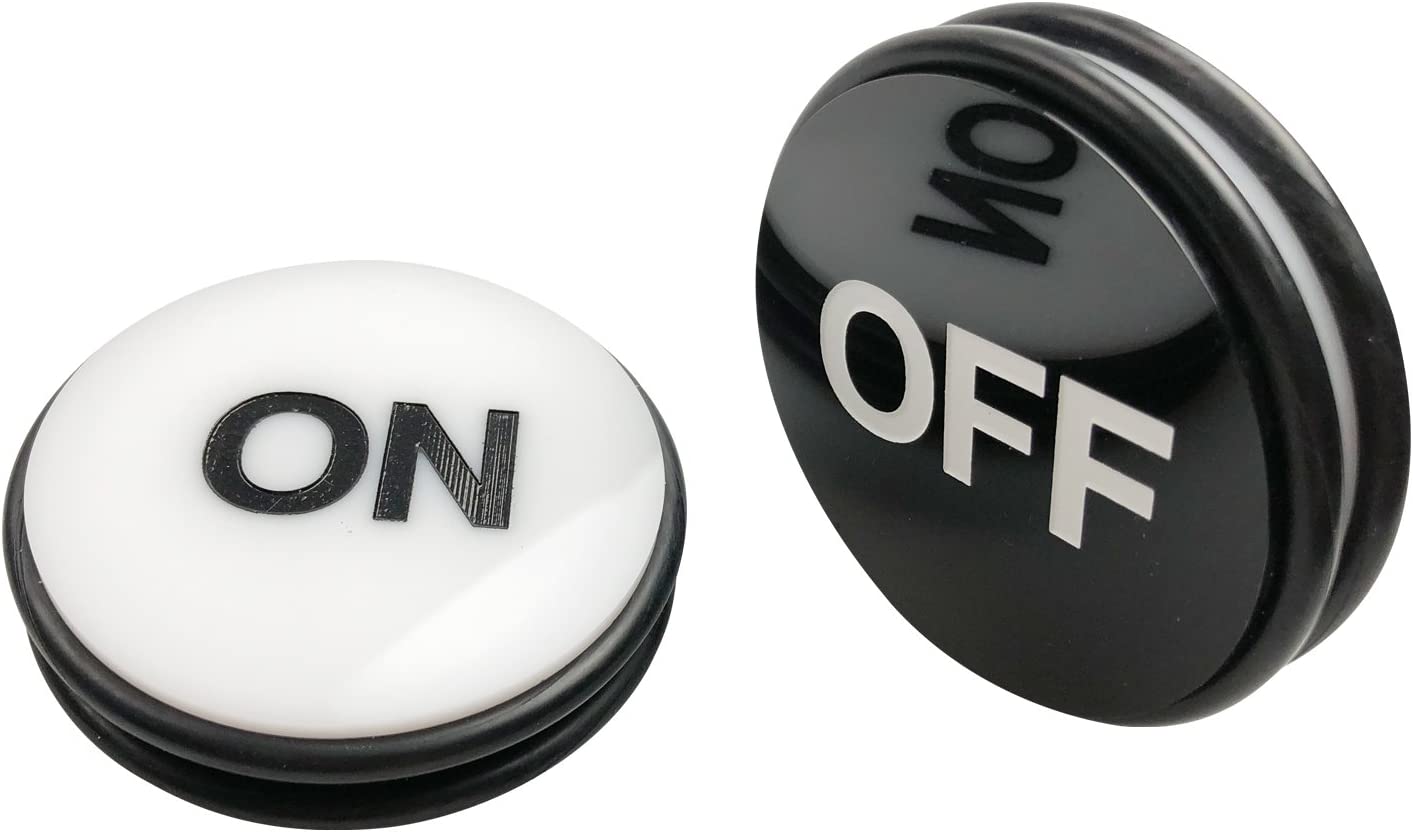
The On/Off Button marks whether a point has been established. “Off” (black side up) means we’re on a come-out roll. “On” (white side up) means a point is active. It’s a tiny detail that makes a big difference for keeping the game organized. Just $7.99.
Poker Chips ($19.95 per 100-piece set)
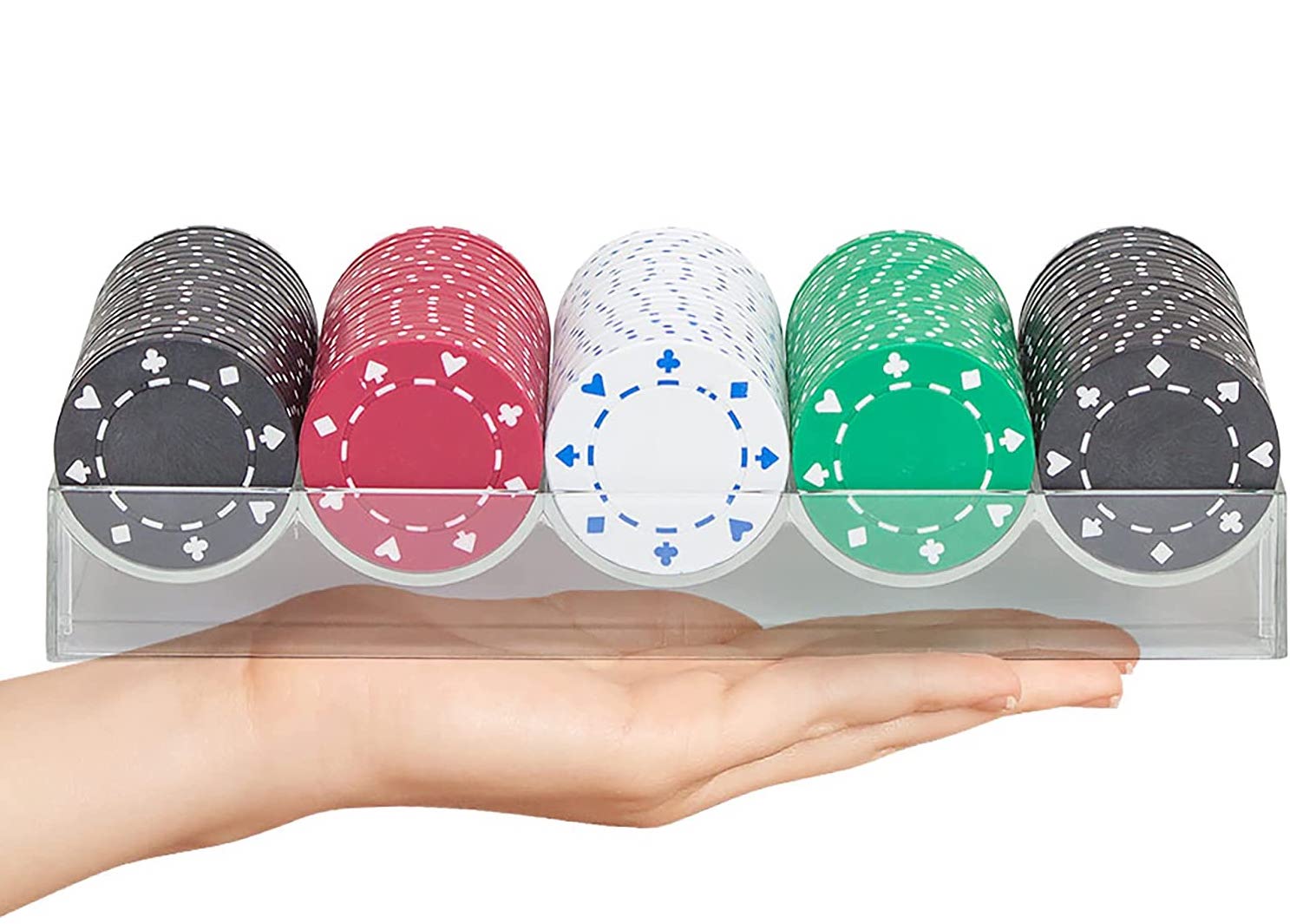
Poker Chips are how you place bets. A 100-piece set costs about $19.95, but I’d grab 2-3 sets if you’re expecting more than four players. You can also pick up some Poker Chip Trays to keep things organized and looking sharp.
Assign chip values before the game starts and write them on a card everyone can see. A common setup: white = $1, red = $5, blue = $10, green = $25. This prevents arguments and keeps the game moving.
Budget Alternative: Mini Craps Compact Set ($38.95)
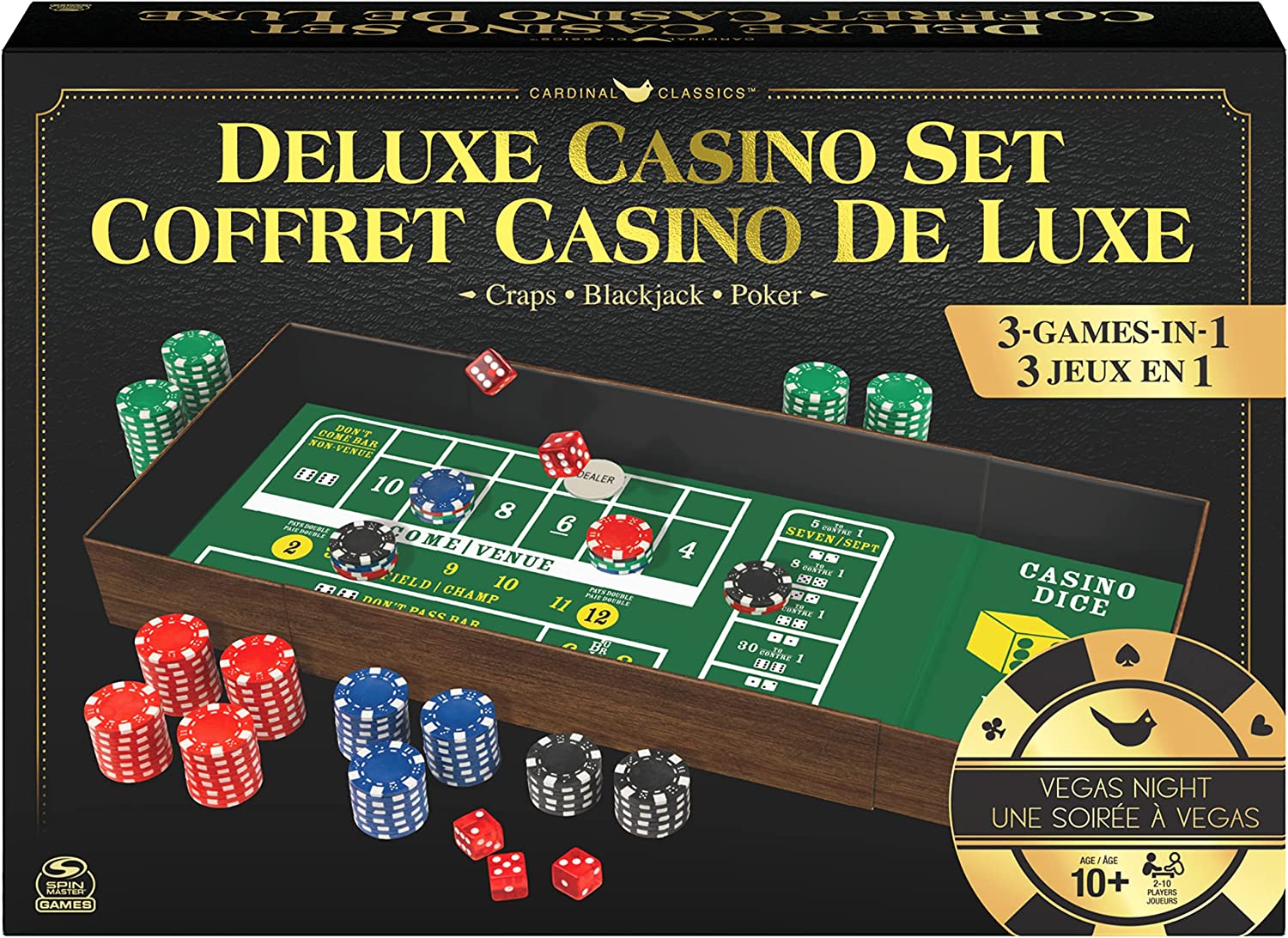
Not ready to invest in the full setup? The Mini Craps Compact Set packs all the basics into a portable package for just $38.95. It won’t replicate the full casino experience, but it has everything you need for a casual game night. Think of it as a starter kit; you can always upgrade individual pieces later.
Here’s how the full kit breaks down cost-wise:
| Item | Price | Essential? |
|---|---|---|
| 6-Foot Foldable Table | $79.99 | Yes |
| Craps Table Layout | $59.99 | Yes |
| Diamond Bumper | $59.99 | Yes |
| Precision Dice Set | $14.99 | Yes |
| Dice Tray | ~$12.00 | Optional |
| Wooden Table Stick | $19.99 | Optional |
| On/Off Button | $7.99 | Yes |
| Poker Chips (2 sets) | $39.90 | Yes |
| Total | ~$265 |
Note: All product links are affiliate links. If you purchase through them, I earn a small commission at no extra cost to you.
How to Build Your DIY Craps Table: Step-by-Step Assembly
You’ve got the gear. Now it’s time to put it all together. The full assembly takes about 15-20 minutes, and the result looks way more impressive than you’d expect from a foldable table and a felt layout.
Step 1: Unfold your 6-foot table on a flat, stable surface. Give it a wobble test. If it rocks, fold a piece of cardboard under the short leg. A shaky table ruins the vibe fast.
Step 2: Spread the craps felt layout across the table. Smooth it out from center to edges, making sure there are no wrinkles or bunched-up spots. Wrinkles cause chips to tip and dice to bounce unpredictably.
Step 3: Position and attach the diamond bumper at one end of the table. This is the trickiest part and requires some hands-on work.
Step 4: Place the dice tray near the bumper end, in the dealer area.
Step 5: Set up your poker chips in the trays, organized by color/value, within easy reach of whoever is acting as dealer.
Step 6: Keep the stick and On/Off button near the dealer position.
Step 7: Step back and admire your work. You just built a home craps table.
Installing the Diamond Bumper (The Hardest Part)
The bumper installation is the one step that takes a bit of skill. Here’s how to get it right:
This step requires basic comfort with tools like a staple gun, utility knife, and measuring tape. If you’re not confident with DIY projects, ask a handy friend for help or consider hiring someone for this one piece.
Start by measuring the width of your table where the bumper will sit. Most diamond bumpers come in standard lengths, so you may need to trim yours to fit. Use a sharp utility knife and cut in a single, clean stroke. Jagged cuts look bad and create uneven bounce patterns.
Before you commit, do a dry fit. Place the bumper against the table edge without glue or staples. Check the alignment. Make sure it sits flush against the felt. If everything looks right, attach it using either a strong adhesive or a staple gun. If you go the staple route, drive the staples into the outside edge of the bumper frame, not through the playing surface.
Here’s what the finished table can look like:

If you went with the mini craps compact set, the same principles apply on a smaller scale. Lay out the included felt, position your dice, and organize your chips. No bumper installation needed since the set comes self-contained.
The Rules of Craps: What Your Guests Need to Know
A beautiful table means nothing if nobody knows how to play. The good news? Craps has a learning curve, but the core mechanics are simple enough to explain in five minutes. For a deep walkthrough, send your friends to the how to play craps guide beforehand. But here’s the quick version for game night:
The Come-Out Roll
One player is the shooter. That’s the person rolling the dice. Everyone else places bets on what happens next.
The game starts with a come-out roll. Three possible outcomes:
| Roll | Result | What Happens |
|---|---|---|
| 7 or 11 | Natural (win) | Pass line bets win. Shooter rolls again. |
| 2, 3, or 12 | Craps (lose) | Pass line bets lose. Shooter rolls again. |
| 4, 5, 6, 8, 9, or 10 | Point established | Dealer flips the On/Off button to “On” and places it on the point number. |
The Point Phase
Once a point is set, the shooter keeps rolling until one of two things happens: they hit the point number again (pass line wins) or they roll a 7 (pass line loses, called a “seven-out”). That’s it. That’s the core of craps.
When hosting beginners, print out a simple one-page cheat sheet with the basic bets and payouts. Tape it to the edge of the table where everyone can see it. You can pull the key numbers from the craps payout chart page.
Which Bets to Start With
For a home game, especially one with new players, keep the betting simple. Two bets are all you need to get started:
The pass line bet is the bread and butter of craps. You’re betting the shooter will win. It pays even money and has a house edge of just 1.41%. This is where every beginner should start.
The don’t pass bet is the contrarian play. You’re betting the shooter will lose. Same payout structure, slightly lower house edge at 1.36%. Fair warning: betting against the shooter at a hot table might get you some playful trash talk.
Resist the urge to introduce proposition bets, hardways, or horn bets during a beginner’s first game. Those wagers carry house edges of 9-16% and confuse new players fast. Once your group has a few sessions under their belt, introduce one new bet type per game night.
As your group gets comfortable, you can layer in come bets, place bets, and free odds bets. The craps bets explained page has the full menu.
Running the Game: Tips for a Smooth Casino Night
Knowing the rules is half the battle. Running a game that flows well is the other half. Here are the things that separate a chaotic dice game from a proper casino night.
Assign Roles
At a real casino, there are four crew members at the table. At home, you can simplify to two: a shooter (rotates with each seven-out) and a dealer (one person who handles chips, marks points, and calls out results). The dealer role can rotate every 30 minutes to keep things fair and give everyone a break.
Set the House Rules Before the First Roll
Agree on a few things before dice hit felt:
- Starting bankroll: Each player buys in for $100 in chips (or whatever amount the group agrees on)
- Table minimum: $5 per bet
- Bets allowed: Pass line, don’t pass, come, don’t come, place bets on 6 and 8 (add more as the group levels up)
- Pressing rules: Players can press their bets after a win if they choose
- Cash-out: Anyone can cash out their chips at any time; final cash-out at midnight
Keep the Energy Up
Craps is the loudest game in the casino for a reason. It thrives on energy. Encourage cheering on good rolls. Let the dealer call out results with some flair: “six the hard way!” or “seven out, line away!” If you need some inspiration for the lingo, the craps terms glossary is packed with the colorful calls that stickmen use in Vegas.
Even in a casual setting, basic craps etiquette keeps things fun. Don’t say “seven” during the point phase (it’s considered bad luck). Keep drinks away from the felt. And never throw chips at the dealer, even if you’re just messing around.
Street Craps: The No-Setup Alternative
If assembling a full table feels like too much, or you want something you can play anywhere, street craps is the answer. It’s a stripped-down version of casino craps that requires nothing more than a pair of dice and something to bet with.
Street craps (also called “shooting dice”) has been played in backyards, garages, and parking lots for decades. No table, no felt, no bumper needed. Just a flat surface, a wall to bounce dice off, and willing players.
How Street Craps Works
The rules mirror standard craps, with a few simplifications:
| Phase | What Happens |
|---|---|
| Come-Out Roll | Shooter rolls. 7 or 11 = win. 2, 3, or 12 = lose. Anything else = point. |
| Point Phase | Shooter tries to hit the point again before rolling a 7. |
| Betting | Players bet for or against the shooter (pass/don’t pass). Side bets are optional and agreed on by the group. |
- Zero setup cost: just dice and chips (or cash)
- Play anywhere: backyard, garage, park, tailgate
- Quick to learn: simpler betting options than casino craps
- Spontaneous: no planning or gear needed
- No diamond bumper means dice control is easier (less randomness)
- Missing the full betting layout limits strategic options
- Harder to track complex bets without a felt
Street craps is perfect for BBQs, camping trips, or any time someone says “anybody want to roll some dice?” Just keep local regulations in mind if you’re playing in a public space.
Level Up Your Home Game: Advanced Additions
Once your group has a few sessions under its belt, consider leveling up the experience.
- Introduce free odds bets behind the pass line. It’s the only bet in the casino with zero house edge, and it makes the game dramatically more interesting.
- Print out a strategy guide cheat sheet so players can experiment with systems like the Iron Cross or Three Point Molly.
- Try a tournament format: everyone starts with the same chip count, play three rounds, and the player with the most chips wins a prize.
- Practice your dice throws using dice setting techniques and see if anyone can actually influence the rolls.
You can also use the free craps simulator to practice between game nights. It’s a solid way to learn new bets and test strategies without risking a single chip.
And if anyone in the group catches the craps bug badly enough to visit a real casino, the how to play craps in Vegas guide will get them table-ready.
Your Casino Night Starts Now
Building a home craps table isn’t just about the gear. It’s about creating a night people remember. The moment those dice crack against the diamond bumper, and someone hits their point, you’ll understand why craps is the most electric game in the casino.
Start with the basics. Get comfortable with pass line bets and the core flow of the game. As your group gains confidence, open up more of the craps bets and watch the energy at the table multiply.
The gear list is ready. The rules are covered. All that’s left is to pick a date, text your friends, and roll.
If you’re looking for casinos to play at online between home games, we’ve got you covered there too.
See you at the table.
How to Play Craps at Home FAQs
You can play craps with as few as 2 people (one shooter, one bettor/dealer), but the sweet spot is 4-8 players. That gives you enough action and energy without overcrowding a 6-foot table. More players means more betting, more cheering, and a better atmosphere overall.
Technically, no. You can play without one. But a diamond bumper randomizes the dice rolls and prevents anyone from controlling outcomes through dice setting. If you’re playing for real money or with competitive friends, the bumper keeps things fair. At $59.99, it’s the most valuable piece of the setup.
The cheapest option is a mini craps compact set at $38.95. If you want to go even cheaper, grab a pair of dice and play street craps with poker chips you already own. Total cost: under $10.
Start with the pass line bet (1.41% house edge) and the don’t pass bet (1.36% house edge). These are the simplest wagers with the lowest house advantage. Once the group feels confident, add come bets and place bets on the 6 and 8 to keep things interesting.
All the gear listed in this guide is available on Amazon. The complete setup (table, felt, bumper, dice, stick, button, chips) costs about $265 total. I’ve linked each item above with direct purchase links for convenience.
Home gambling laws vary by state and country. In most US states, small-stakes home games among friends are tolerated, but technically the laws differ. No one is raiding your Saturday night poker-and-craps party, but it’s worth knowing your local rules. The key: keep it social, keep the stakes friendly, and don’t charge a rake.